The short version
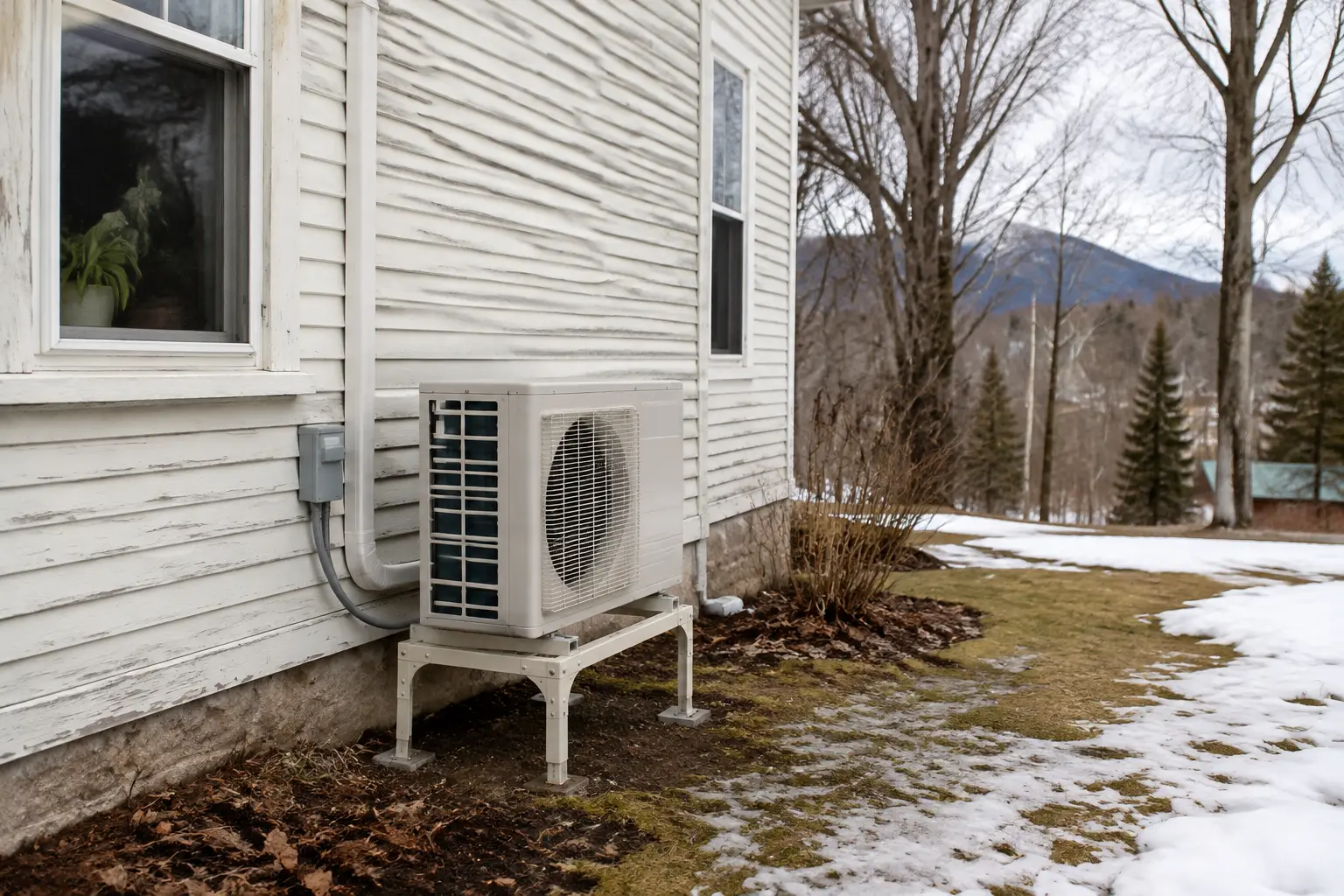
Heat pumps provide heating and cooling. Boilers provide hydronic heat and can serve high-temperature baseboard or domestic hot water. The best choice depends on the building and may be a hybrid of both. A boiler circulates hot water through baseboard, radiators or radiant floors and can deliver high-temperature output through severe cold, while a heat pump moves refrigerant or heated air and also provides cooling: a real advantage neither a boiler nor a furnace offers. Keeping a working boiler while adding heat pumps is a common and reasonable hybrid: it adds cooling and resilience without forcing an all-or-nothing decision.
Heat pump and boiler comparison
Use the building, distribution system and project goals to compare complete designs. Neither equipment label is enough by itself.
| Decision factor | Air-source heat pump | Boiler |
|---|---|---|
| Heating delivery | Moves heat through indoor heads or ducted air | Circulates hot water through baseboard, radiators or radiant floors |
| Cooling | Provides heating and cooling | Does not provide cooling by itself |
| Cold-weather design | Match published low-temperature capacity to heat loss | Match boiler output and water temperature to heat loss and radiation |
| Existing distribution | May require indoor heads or suitable ducts | Can retain suitable hydronic distribution |
| Hybrid option | Can carry part or most of the annual load | Can remain for backup, difficult zones or domestic hot water |
Comfort and distribution
Boilers circulate hot water through baseboard, radiators or radiant floors. Heat pumps move refrigerant or heated air and can also cool. Floor plan and existing distribution matter.
Cold-weather performance
A cold-climate heat pump can work at low temperatures, but capacity must be compared with building load.
Operating cost and fuel
Compare actual fuel use, equipment efficiency, electric rate, maintenance and weather, not generic national averages. A heat pump may not reduce cost in every gas-heated home.
What to document before service
A clear record helps a professional understand the pattern before changing the system.
- Boiler age, condition, fuel use and service history
- Baseboard, radiator or radiant-floor type
- Typical supply-water temperature
- Building heat loss and weatherization plans
- Cooling goals and room layout
- Electrical capacity and backup preference
What a complete evaluation should establish
Compare full systems, not appliance efficiencies in isolation. A useful analysis includes heat-pump capacity in cold weather, boiler and distribution condition, room coverage, domestic hot water, electrical upgrades, cooling value, maintenance, fuel and electric rates, likely backup use and the cost of keeping or removing existing equipment.
After the work
For a hybrid project, document the intended changeover strategy and which system the homeowner should expect to run at different temperatures. Compare actual energy use over a full season only after normalizing for weather and occupancy. A few mild weeks do not establish annual cost or performance.
Common questions
Is a heat pump cheaper to run than an oil boiler?
Often it can be, but the answer depends on rates, system efficiency, outdoor temperature and how the home uses both systems.