The short version
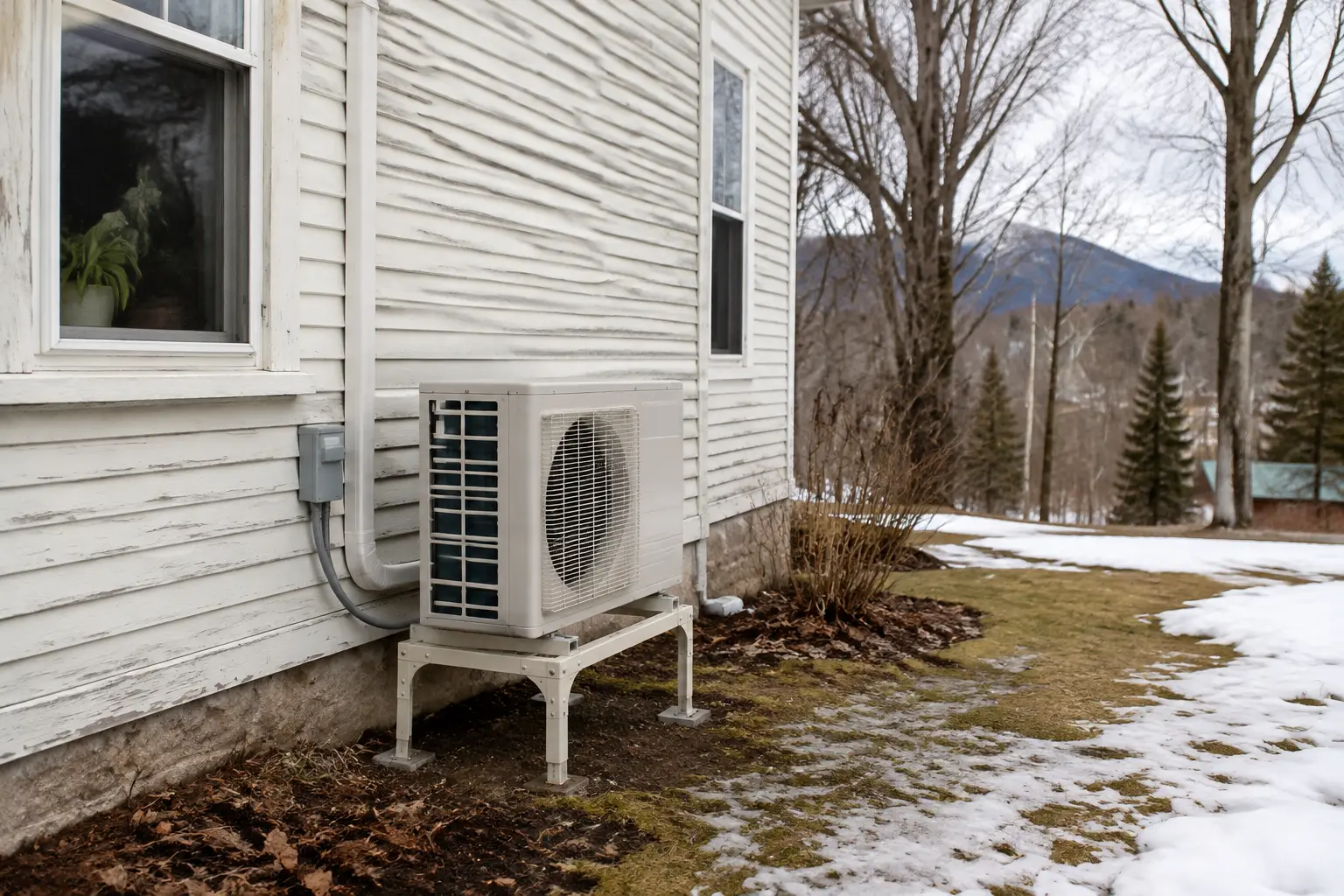
Regular filter care, clear outdoor airflow, working drains and periodic professional cleaning help a heat pump perform through heating and cooling seasons. What a homeowner can reasonably do is limited but genuinely useful: clean or replace filters on the manufacturer's schedule, keep furniture away from indoor airflow, clear leaves and loose snow from around the outdoor unit, and watch for new sounds, water or error codes. What needs a professional is different: safely cleaning coils and blowers, servicing drains, checking electrical components and controls, and measuring actual operating performance instead of just looking at it.
Homeowner checks
Follow the manufacturer for filter cleaning or replacement, keep indoor and outdoor airflow clear, watch for water or ice, and note new sounds or error codes.
- Clean or replace approved filters
- Keep furniture away from indoor airflow
- Clear leaves and loose snow around the outdoor unit
- Check that condensate drains normally
- Do not bend coil fins or pressure-wash equipment
Professional maintenance
A professional can safely clean coils and blowers, service drains, check electrical components and controls, assess refrigerant-system symptoms and measure operating performance.
Who does which part of heat-pump maintenance
| Task | Who | Notes |
|---|---|---|
| Clean or replace filters | Homeowner | On the manufacturer's schedule |
| Keep furniture away from indoor airflow | Homeowner | Limited but genuinely useful |
| Clear leaves and loose snow from around the outdoor unit | Homeowner | The outdoor unit needs clearance above expected snow and a clear defrost-drainage path |
| Watch for new sounds, water or error codes | Homeowner | Persistent ice, breaker trips, a burning odor, major water leakage or an error code call for diagnosis, not routine cleaning |
| Safely clean coils and blowers | Professional | Not homeowner work |
| Service drains and check electrical components and controls | Professional | Includes measuring actual operating performance instead of just looking at it |
Vermont winter details
Outdoor units need clearance above expected snow, free defrost drainage and protection from roof runoff or falling ice without blocking airflow.
Call for repair instead of cleaning
Persistent ice, breaker trips, burning odor, major water leakage, error codes or no heating or cooling require diagnosis rather than routine cleaning alone.
What to document before service
A clear record helps a professional understand the pattern before changing the system.
- Indoor and outdoor model numbers
- Filter size and cleaning history
- New noise, odor, ice, water or error code
- Rooms with changed airflow or comfort
- Outdoor snow, leaf and roof-runoff exposure
- Date and scope of the last professional service
What a complete evaluation should establish
Maintenance should be more than a visual glance. Scope can include blower and coil cleanliness, filter condition, condensate path, electrical connections, controls, temperatures, airflow, outdoor drainage and operating observations. Refrigerant should not be added automatically. A suspected sealed-system problem needs diagnosis and leak-related work that fits the equipment and rules.
After the work
Keep the service report with measured values, photos when useful and the next filter or maintenance date. Recheck drainage after the first humid cooling day and outdoor clearance after major snow. A recurring alarm, leak, ice pattern or breaker trip should move from maintenance to diagnosis.
Common questions
How often should mini-split filters be cleaned?
Follow the manufacturer and check more often during heavy use, pet exposure, dust or construction.